What does this term stand for?
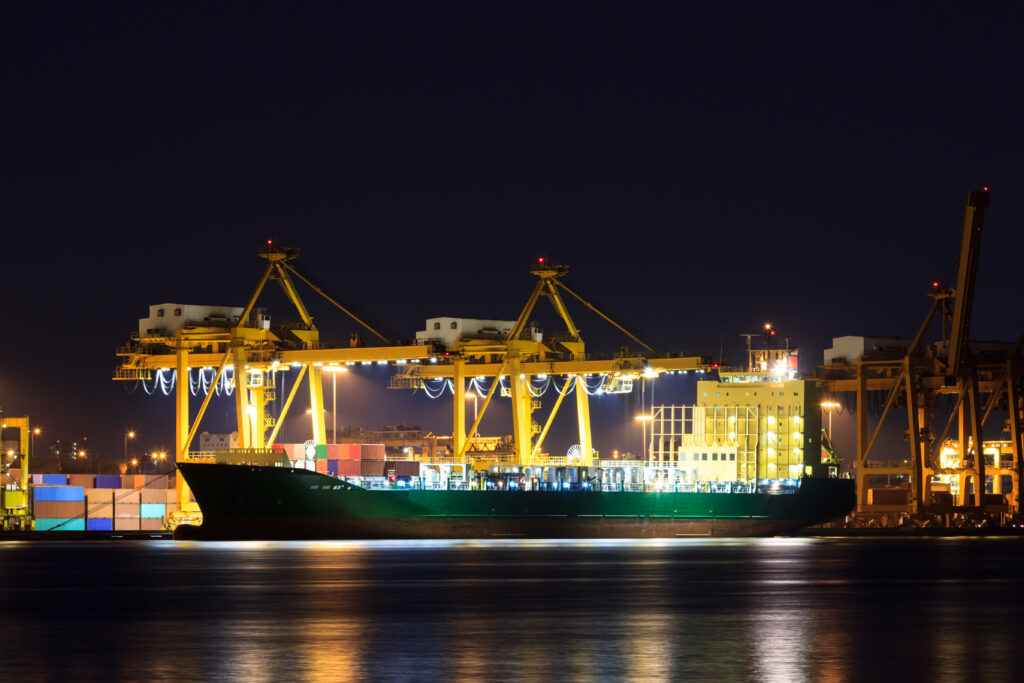
Vehicle Transport involves the physical movement of vehicles, including cars, trucks, or industrial machinery, from manufacturers to dealerships, customers, rental fleets, or ports for export. Transport methods may include open or enclosed trailers, rail, or roll-on/roll-off vessels for long distances. Vehicle transport operations must ensure proper loading, securing, and route planning to prevent damage, comply with road and maritime regulations, and maintain delivery schedules. High-quality vehicle transport enhances supply chain reliability, reduces operational risks, and ensures vehicles reach their destination in pristine condition, supporting customer satisfaction and operational continuity.
Characteristics:
- Transport of cars, trucks, and machinery
- Uses trailers, rail, or ships
- Ensures safe, secure, and compliant delivery
- Protects vehicle integrity during transit
- Supports supply chain reliability and efficiency