What does this term stand for?
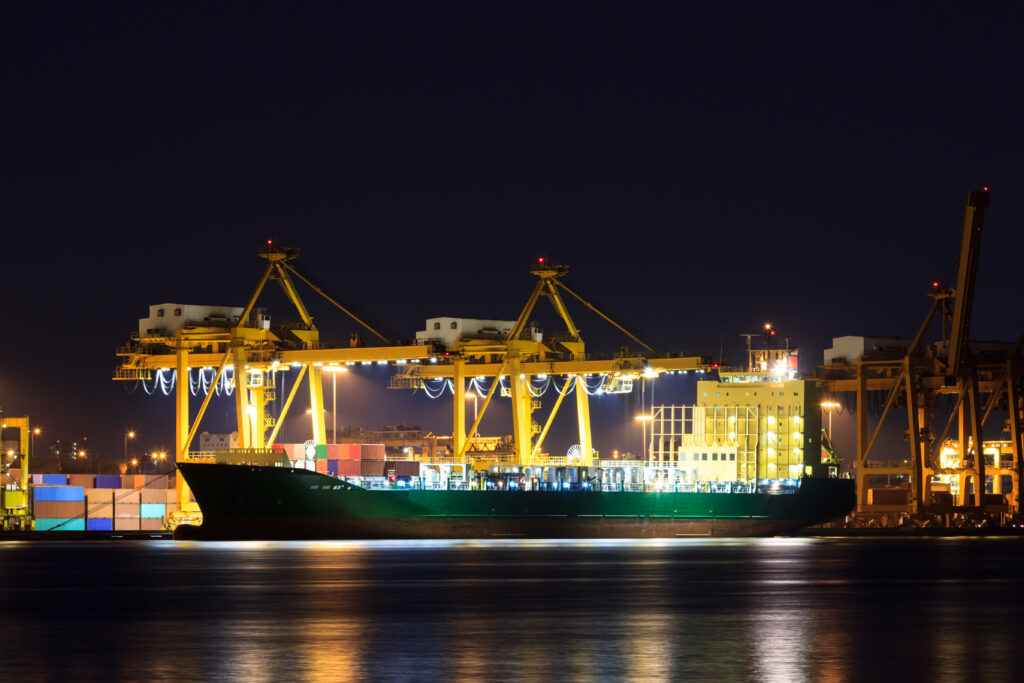
Port of Discharge is the designated port where cargo is unloaded from a vessel at the end of its maritime journey. This port marks the transfer of responsibility from the carrier to the consignee, freight forwarder, or customs authorities. It is a critical point for customs clearance, documentation verification, import duty calculation, inspection, and onward distribution planning. Efficient management of POD operations ensures timely offloading, reduces congestion, prevents cargo damage, and supports the integration of incoming shipments into domestic logistics networks. The port’s operational efficiency directly impacts supply chain lead times, transportation costs, and service reliability, making POD a key factor in planning international shipments and optimizing global trade routes.
Characteristics:
- Marks the endpoint of maritime transport
- Facilitates customs clearance, import duties, and inspections
- Transfers carrier responsibility to consignee or authorities
- Supports onward distribution and integration into domestic logistics
- Influences lead times, freight costs, and overall supply chain efficiency