What does this term stand for?
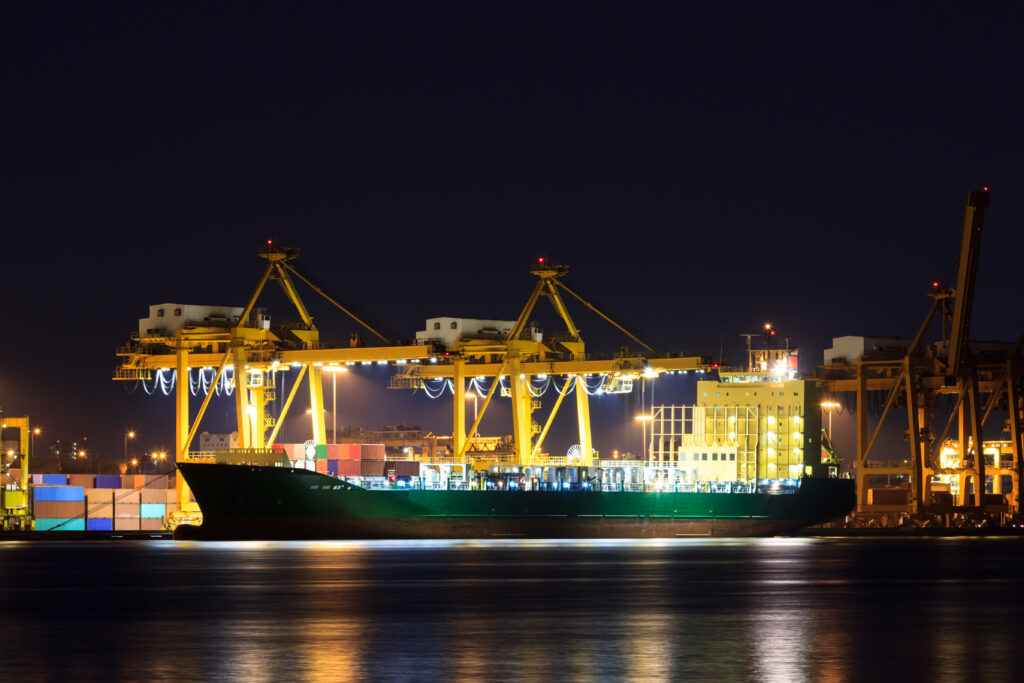
Jettison in logistics refers to the deliberate act of discarding cargo from a vessel, aircraft, or vehicle, usually in emergency situations to maintain stability, reduce weight, or prevent catastrophic accidents. This procedure is particularly critical in maritime shipping and aviation, where overloading or hazardous conditions may threaten the safety of the vessel, aircraft, or crew. Jettisoned cargo is often documented for insurance claims, legal compliance, and risk assessment. Companies must carefully plan procedures, follow international regulations, and maintain detailed records to ensure accountability. Jettison is generally considered a last-resort measure when all other options to maintain safety have failed.
Characteristics:
- Reduces weight to stabilize vessel, aircraft, or vehicle
- Ensures the safety of crew and equipment
- Performed only in emergency situations
- Requires compliance with international maritime or aviation regulations
- Must be properly documented for insurance claims
- Minimizes potential damage to remaining cargo
- Helps mitigate legal and financial liability
- Requires coordination with authorities and risk management teams