What does this term stand for?
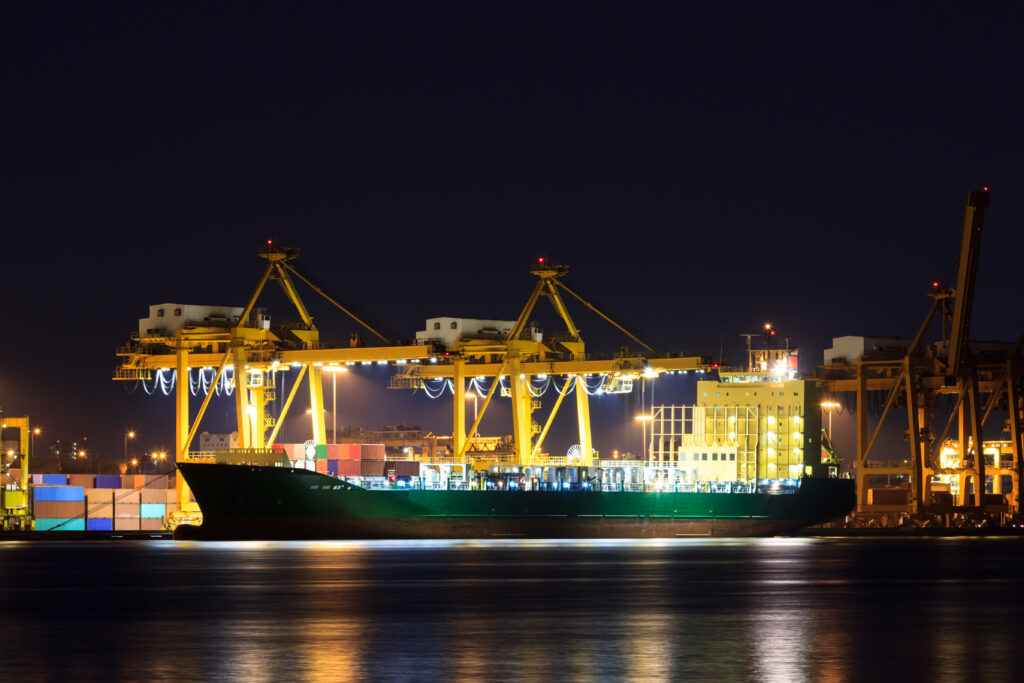
International transportation is the movement of goods across national borders via various transport modes such as sea, air, road, or rail. It involves complex coordination, including customs compliance, trade documentation, tariffs, duties, and adherence to international trade agreements. Effective international transportation ensures timely delivery, minimizes costs, and reduces the risk of damage or delays. It is a key element of global supply chains and requires strategic planning, documentation accuracy, and reliable partnerships with carriers and freight forwarders.
Characteristics:
- Moves goods across countries and regions efficiently
- Requires compliance with customs and international trade regulations
- Involves planning across multiple transport modes
- Manages risks, tariffs, and trade-related formalities