What does this term stand for?
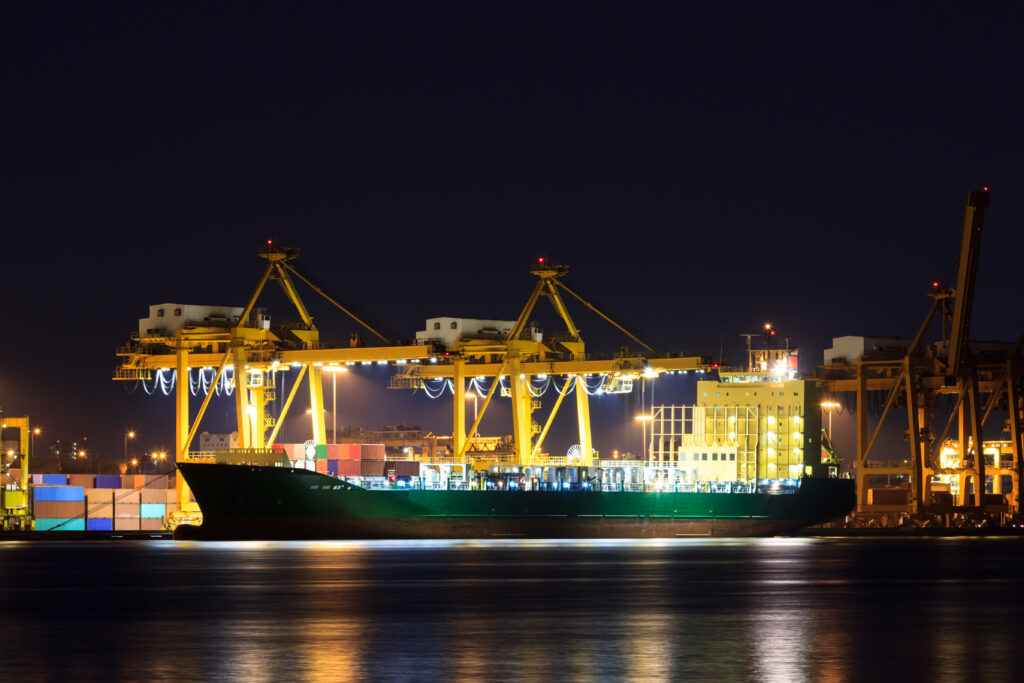
In logistics, import refers to the process of bringing goods, raw materials, or products from foreign countries into the domestic market for resale, production, or distribution. This process involves multiple steps, including transportation, customs clearance, compliance with international and local regulations, and payment of applicable duties and taxes. Efficient import management ensures that goods arrive on time, remain in good condition, and are cleared legally without delays. Import operations are critical for maintaining a smooth supply chain, as delays or errors in this process can cause bottlenecks that affect production schedules, inventory levels, and customer satisfaction. Companies involved in imports often coordinate with freight forwarders, carriers, and customs brokers to streamline the process and manage logistics costs effectively.
Characteristics:
- Involves bringing goods into a country from abroad
- Requires customs clearance, documentation, and compliance
- May involve payment of import duties and taxes
- Essential for maintaining continuous supply chain operations