What does this term stand for?
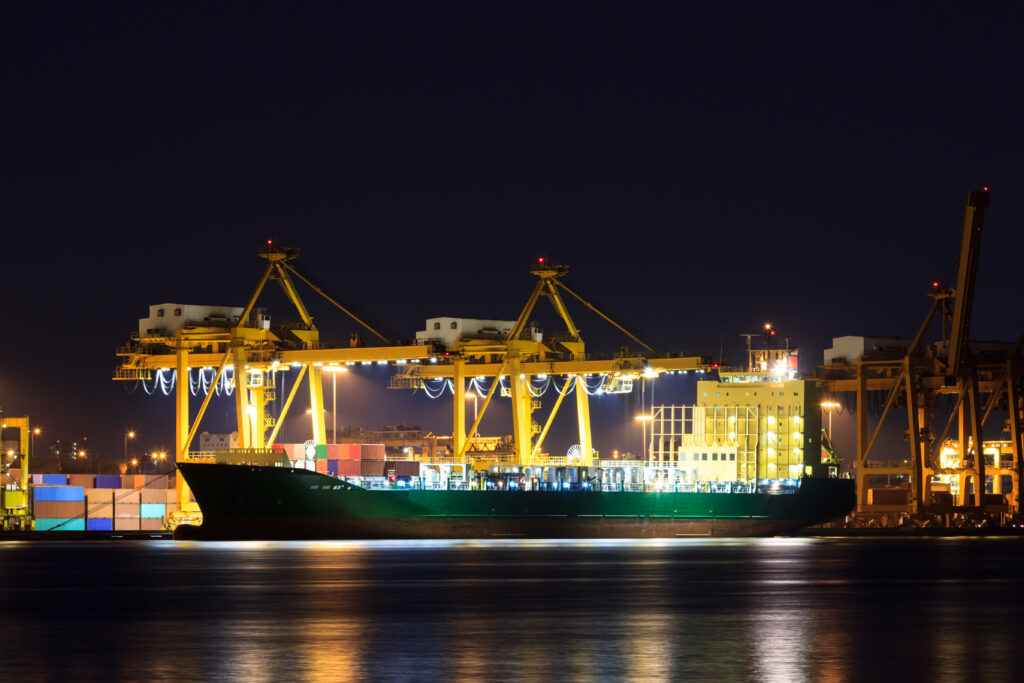
Fleet Management is the strategic and operational process of overseeing, coordinating, and optimizing a group of vehicles used in logistics operations, including trucks, vans, ships, trailers, or specialized equipment. Effective fleet management ensures that vehicles are maintained, routes are optimized, fuel consumption is monitored, drivers are trained and compliant, and operational costs are minimized while maximizing service reliability. Modern fleet management leverages telematics, GPS tracking, automated scheduling, predictive maintenance, and analytics to improve visibility, efficiency, and decision-making across the supply chain. It encompasses vehicle utilization planning, preventive maintenance scheduling, real-time monitoring of deliveries, and enforcement of safety protocols. Fleet management also includes compliance with legal regulations, environmental standards, and operational best practices to reduce risk, downtime, and financial losses. Organizations with well-managed fleets achieve faster transit times, lower operational costs, higher customer satisfaction, and increased overall supply chain performance.
Key Characteristics:
- Vehicle Coordination
- Route Optimization
- Maintenance Scheduled
- Fuel Monitored
- Driver Performance
- Safety Compliance
- Cost Efficiency
- Operational Visibility