What does this term stand for?
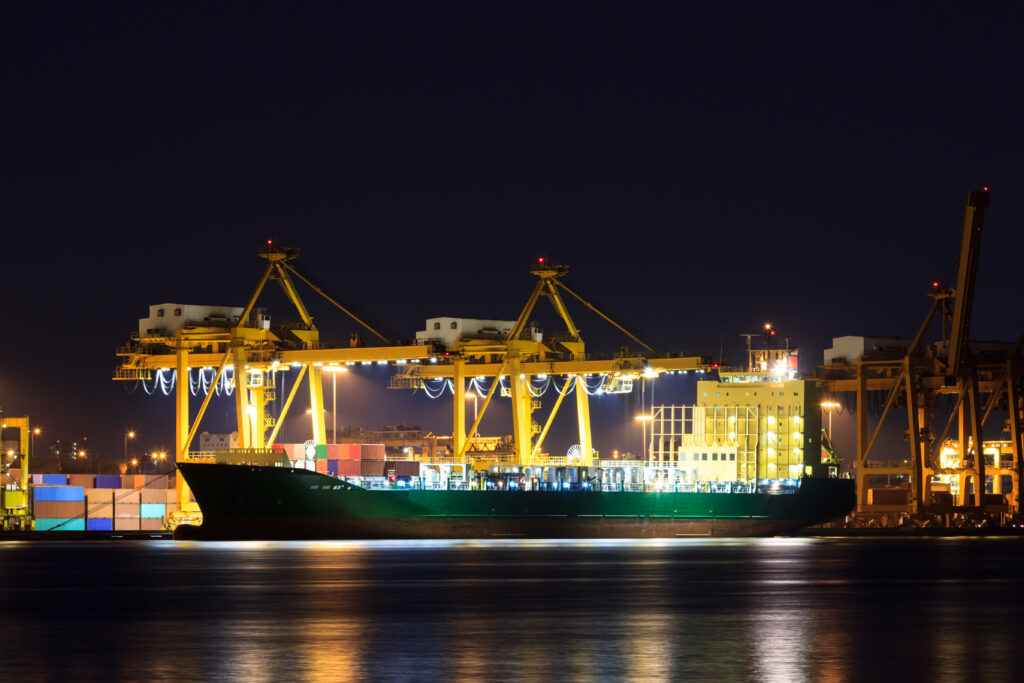
Combined transportation is a logistics strategy that involves the movement of goods using two or more different modes of transport—such as road, rail, sea, or inland waterways—within a single journey, where the cargo remains in the same loading unit (typically a container, swap body, or semi-trailer) throughout the entire transport chain. A defining characteristic is that the goods themselves are not handled or reloaded when transferring between transport modes; only the loading unit is moved. Critically, the majority of the journey is conducted via non-road modes (rail, inland waterway, or sea), with road transport limited to the initial and/or final legs, typically for first-mile pickup and last-mile delivery. This approach optimizes efficiency, reduces costs, minimizes environmental impact, and leverages the comparative advantages of different transport modes while maintaining cargo security and integrity.
Key Characteristics
- Multi-Modal Integration
- Single Loading Unit Principle
- Road Transport Minimization
- Operational Efficiency Focus