What does this term stand for?
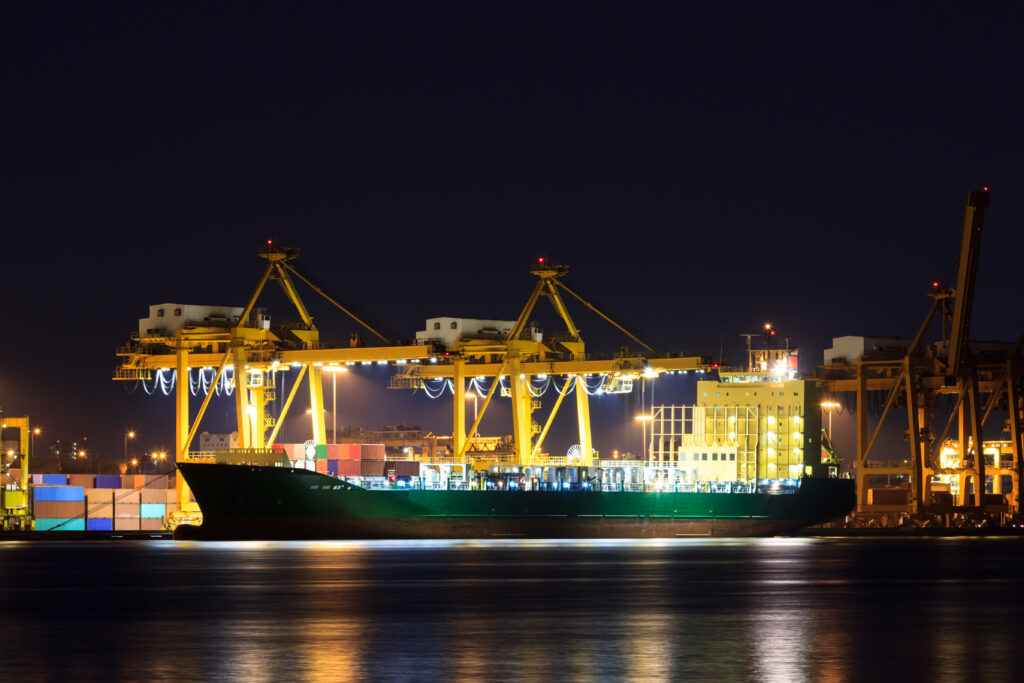
Cargo refers to the physical goods, commodities, or merchandise transported from one location to another via various modes of transportation as part of commercial trade or business operations. Unlike logistics—which encompasses the planning, coordination, and management processes—cargo specifically denotes the tangible items being moved through the supply chain. In the logistics industry, cargo represents the core asset around which transportation, warehousing, documentation, and regulatory compliance activities are organized, serving as the fundamental unit of measure for freight operations and supply chain performance.
Key Characteristics
- Physical Goods in Transit
- Multi-Modal Transportation Capability
- Documentation and Compliance Requirements
- Ownership and Liability Assignment
- Diverse Classification Systems